Next month, the U.S. Supreme Court will hear argument on whether or not Donald Trump is qualified to appear on the ballot in Colorado. Disqualification challenges have become a weapon used by Trump’s opponents to stop him from regaining power. Outside Colorado, a disqualification challenge succeeded in Maine. Challenges in Michigan, Minnesota, and California have failed. But depending on the Court’s ruling, there could be more.
The Supreme Court acted sensibly in accepting the Colorado case on an expedited basis. It would be chaotic to have a presidential election decided by different states following different disqualification criteria. It would also be dangerous to our democratic system.
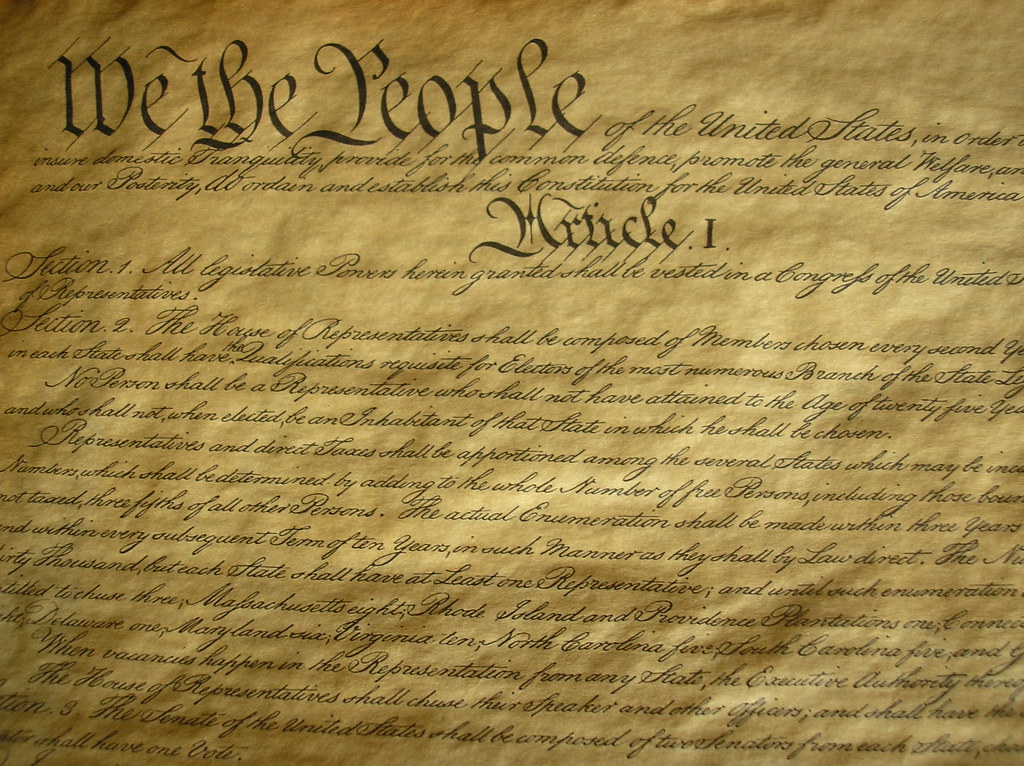
The Colorado case will focus national attention on Section 3 of the 14th Amendment, which reads:
No person shall be a Senator or Representative in Congress, or elector of President and Vice-President, or hold any office, civil or military, under the United States, or under any State, who, having previously taken an oath, as a member of Congress, or as an officer of the United States, or as a member of any State legislature, or as an executive or judicial officer of any State, to support the Constitution of the United States, shall have engaged in insurrection or rebellion against the same, or given aid or comfort to the enemies thereof. But Congress may by a vote of two-thirds of each House, remove such disability.
The Court will confront a number of issues:
Does this disqualification language apply to the President? Note that it specifically mentions “Senator or Representative in Congress, or elector of President and Vice-President.” It also refers broadly to “any office, civil or military, under the United States, or under any State.” But it does not specifically mention the presidency itself.
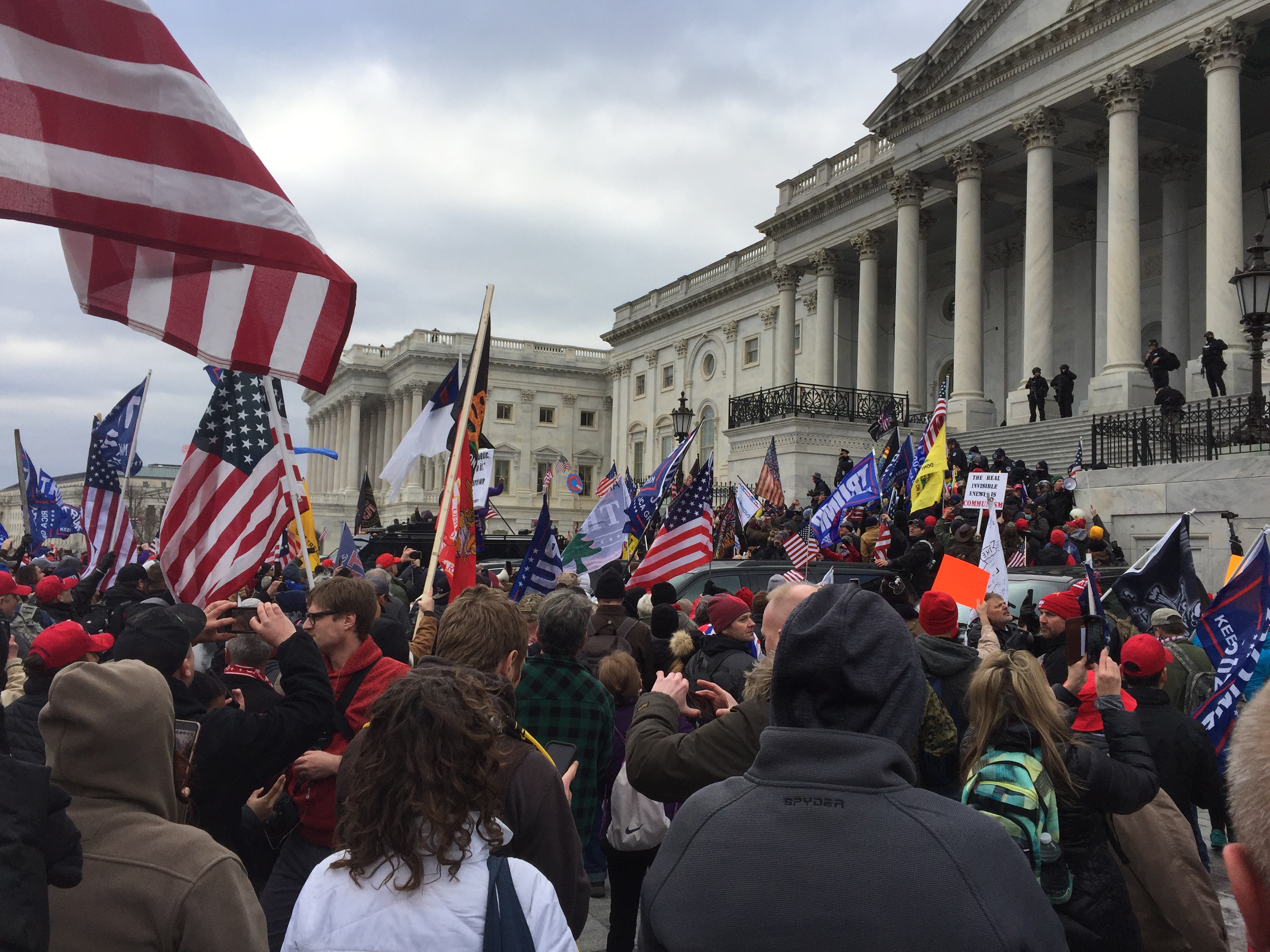
What constitutes an “insurrection”? Is a violent riot, like the one that occurred on January 6, sufficient? Or must there be an armed and organized attempt to overthrow the government, like the Bolsheviks storming the Winter Palace or the Confederates bombarding Fort Sumter?
What does it mean to have “engaged” in insurrection? Is cheering from the sidelines sufficient? Or must there be personal participation in the activity?
All of these issues present interesting, if arcane, legal issues, the kind lawyers and jurists love delving into and debating. But if it chooses, the Supreme Court can reject Colorado’s attempt to keep Trump off the ballot for two simple and straightforward reasons.
First, Colorado (and Maine) failed to provide Trump with anything even approaching the kind of due process to which he was entitled in this important matter. Second, the question of whether Trump should be disqualified for having engaged in insurrection has already been decided in a trial before the U.S. Senate presided over by the Chief Justice. And he was acquitted. Neither Colorado, nor Maine, nor any state, has the right to retry him.
Continue reading →

 toputitbluntly.com